
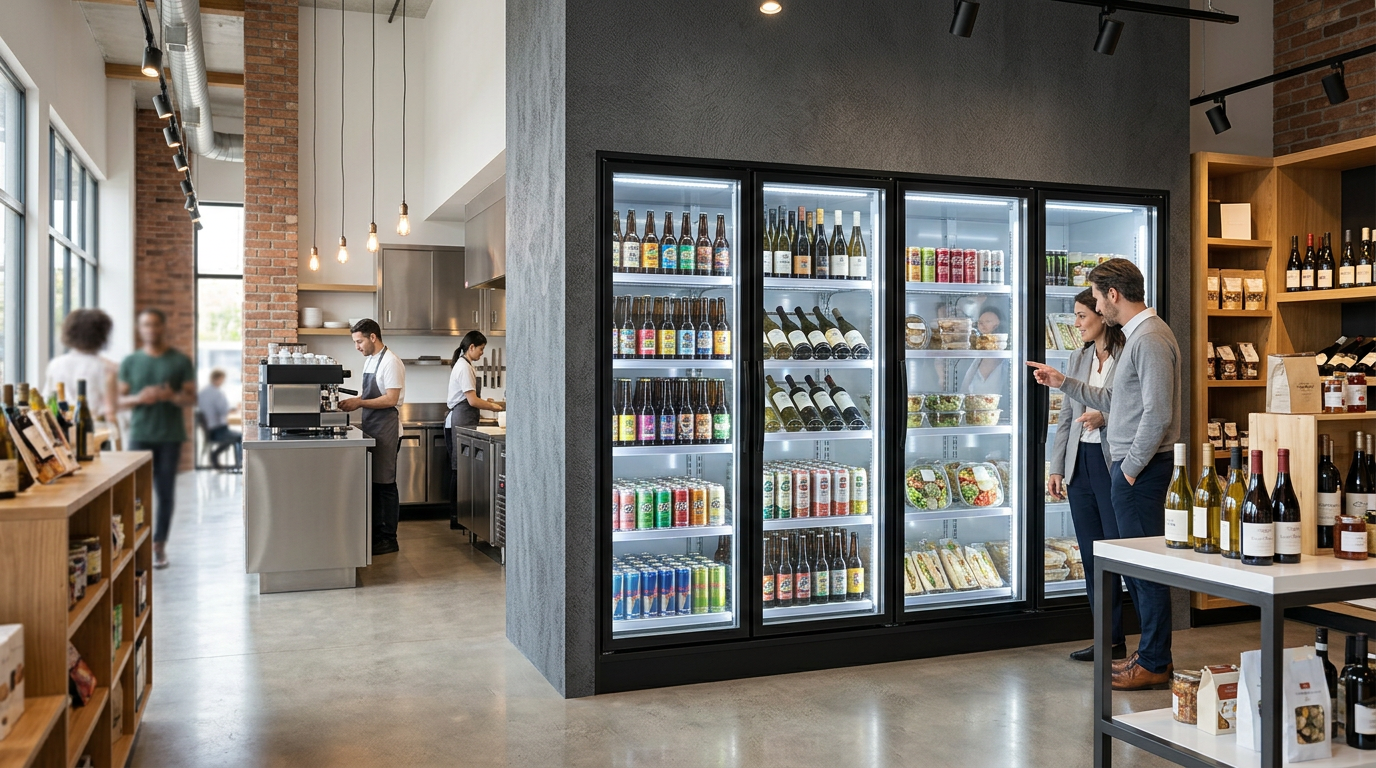
Choosing the right glass door chiller for your business means more than just picking a stylish unit. You need to understand its core glass door chiller specifications. These details are important for how well it works. They affect energy use, product visibility, and how reliable it is. If you ignore these details, you might face higher costs or poor performance. Thinking about what you need beforehand saves time and money.
A busy convenience store, for example, needs different specifications than a small café. The size and capacity are always top concerns. But looking deeper into other features helps you find the perfect match. This guide will explain the important things to think about. We will focus on practical issues for businesses like yours. These tips will help you sort through your options. You can then pick a chiller that truly improves your refrigeration setup.
Key Glass Door Chiller Specifications
Understanding glass door chiller specifications goes beyond just size. It means looking at features that improve both how products look and how well the unit runs. These details help businesses make smart choices. They ensure a chiller not only looks good but also works well every day. Let's look at these important features.
Interior Layout and Lighting for Maximum Appeal
A glass door chiller's inside layout is key for showing off products. Adjustable shelves are a crucial specification. They let businesses fit different product sizes. A cooler for drinks might need taller shelves for bottles. A deli display, however, would use more, shallower shelves for neat food items.
Shelf material is also very important. Many commercial chillers now use coated wire shelves. These are tough and simple to clean. Some also have glass shelves, which look fancy for special items. The weight limit of each shelf matters. Units made for bottled drinks need shelves that can hold a lot of weight safely. Retailers often find shelves that hold 50 kilograms or more per shelf are strong enough.
The lighting inside the chiller really affects how products look. LED lighting is now a standard glass door chiller specification. It is much better than older fluorescent tubes. LEDs give bright, clear light that makes products stand out. People will notice brightly lit items more easily.
Besides looking good, LED lighting saves a lot of money on operations. These lights use much less energy. This can lower your electricity bills. They also create very little heat. This helps the chiller's cooling system work better. This saves even more energy. LED lights also last much longer. This means fewer replacements and less trouble with upkeep. The cool, crisp light from LEDs shows product colors accurately. This makes them look better to customers.
Advanced Glass Door Technology for Clarity and Efficiency
The glass door itself is a key part that affects how clear the display is and how much energy it uses. Modern glass door chillers have advanced door technology. These features make a big difference in daily use. Knowing about them helps you choose the best unit.
Double-glazed glass is a common specification for efficiency. This design uses two panes of glass. An inert gas, like argon, separates them. This gas layer insulates the chiller. It greatly reduces heat moving from the warm outside air to the cold inside. Better insulation means the compressor runs less often. This lowers energy use. Studies show double-glazed doors can cut energy use by up to 25% compared to single-pane glass.
Tempered glass is another vital safety specification. This glass is specially made to be much stronger than regular glass. If it ever breaks, it shatters into small, blunt pieces. This greatly lowers the risk of injury. This safety feature is especially important in busy shops or food service areas. It keeps staff and customers safe.
Heated glass doors are essential in humid places. This feature stops condensation from forming on the outside of the glass. Condensation makes it hard to see products. It also makes the chiller look less professional. A clear view into the chiller encourages customers to buy more. The heating part is usually a thin, clear film inside the glass. It gently warms the surface, keeping it perfectly clear. This is an important glass door chiller specification for certain businesses. It uses a little extra energy for heating. But the benefit of always seeing your products often outweighs this small energy increase. Some smart systems only heat when needed. This helps save even more energy. These glass technologies work together. They make sure products are always visible. They also help keep inside temperatures steady. This leads to better food safety.
Navigating Power, Efficiency, and Modern Compliance
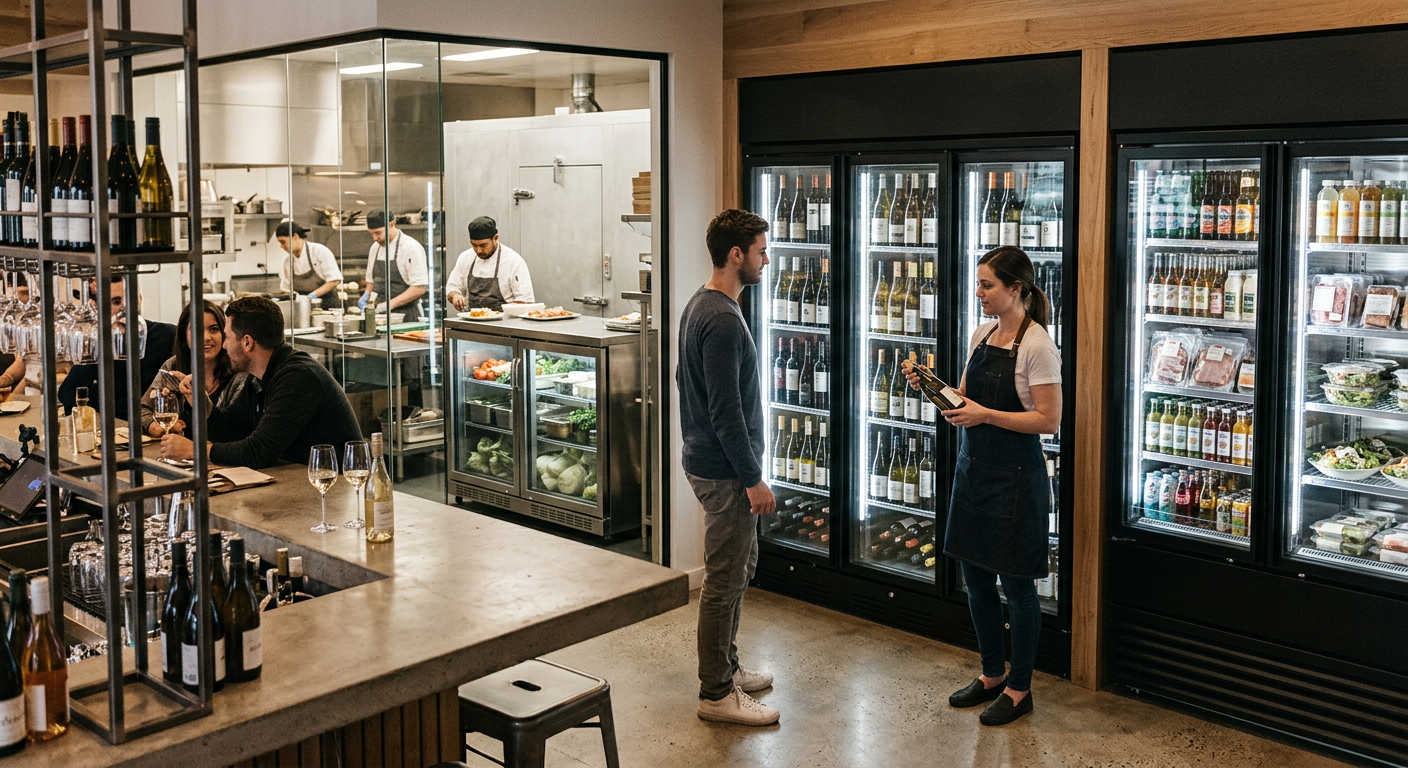
Choosing a commercial glass door chiller involves more than just how it looks. You need to think about how much power it uses and if it meets new rules. Knowing these things helps you make a wise decision that saves money and follows the law. Modern chillers work better and cost less to run. They also meet growing environmental standards. Let's look at these important details.
Energy Efficiency and Environmental Regulations
Energy efficiency is now a top concern for commercial chillers. Higher efficiency means lower electricity bills over the unit's lifetime. Look for models that use less energy. The type of refrigerant heavily impacts both efficiency and the environment. For example, many new models use natural refrigerants like R290 (propane). This gas has a very low Global Warming Potential (GWP). Older HFC refrigerants had a much higher GWP.
R290 chillers use less energy to cool things just as well. This makes them a more sustainable choice. They also help businesses follow new environmental rules. These include rules like the F-Gas regulations in the UK. These rules aim to get rid of refrigerants with high GWP. An R290 chiller is a smart investment for the future. Look for an energy label. It's often like those on home appliances. This label quickly shows how efficient a unit is.
Certifications and Built-Quality for Durability
Strong construction and proper certifications are vital for any commercial machine. These ensure it lasts, is safe, and is clean. Certifications like CE marking show a product meets European safety, health, and environmental standards. For food businesses, HACCP (Hazard Analysis and Critical Control Points) compliance is key. A HACCP-certified chiller keeps food at the right temperature. This stops bad bacteria from growing and keeps your products safe. This is a crucial glass door chiller specification to check.
The materials used directly affect how long a chiller lasts. Stainless steel interiors are best because they are durable and easy to clean. They resist rust and bacteria buildup better than other materials. Strong, double-glazed or triple-glazed tempered glass doors improve insulation. This means less energy loss and less condensation. High-quality door seals stop cold air from escaping. Consider features like adjustable shelving, which makes the unit more versatile. Heavy-duty wheels make it easy to move and clean around the unit. A well-made chiller needs less repairs and lasts longer. This protects your investment for many years. Choosing quality pays off.
Advanced Temperature Control and Monitoring
Beyond just cooling, advanced temperature control systems are a key glass door chiller specification. Digital thermostats allow for very precise temperature management. This ensures products stay at their best. Many new chillers have smart monitoring systems. These systems can warn staff about temperature changes. This helps prevent spoilage. It also ensures rules for food safety are met. Some units connect to building management systems. This allows remote monitoring and control. This gives businesses more flexibility. Such features make systems more reliable and reduce waste.
Maintenance and Serviceability
Looking long-term, maintenance and serviceability are important glass door chiller specifications. Easy access to parts like condensers and evaporators makes cleaning and repairs simpler. Self-cleaning condensers are a useful feature. They reduce how often you need to clean them by hand. This keeps efficiency high and makes the unit last longer. Choosing a model with readily available spare parts is also smart. This means less downtime if a repair is needed. A well-maintained chiller runs better. It also performs consistently for your business. Regular upkeep ensures your investment lasts.
Conclusion: Choosing the Right Glass Door Chiller
Picking the best glass door chiller means thinking about many things. From the inside layout and LED lights to advanced glass technology, every detail matters. Knowing about critical glass door chiller specifications helps you pick a unit that fits your business needs. Focus on energy efficiency, strong construction, and following regulations. Also, consider features that make products look better and make maintenance easier. Making a smart choice now will lead to long-term success and happy customers. Your business deserves the best performance and reliability.
About This Article
Editorial Disclosure: This article was researched and written by our content team to provide helpful, accurate information about glass door chiller specifications. We regularly review and update our content to reflect the latest industry developments and best practices.