
Introduction
Bright displays move food and drinks fast. Understanding the benefits of LED lighting in display fridges helps store owners trim electric bills and drive impulse buys. Clean, vibrant light pulls customer eyes right to your top-margin stock.
Modern glass-door merchandisers need steady, balanced illumination to showcase inventory well. Quality lighting turns casual foot traffic into paying customers. It also protects your cooling components behind the scenes, creating a reliable setup for retail growth.
Thermal Efficiency: Protecting Compressor Health and Lowering Running Costs
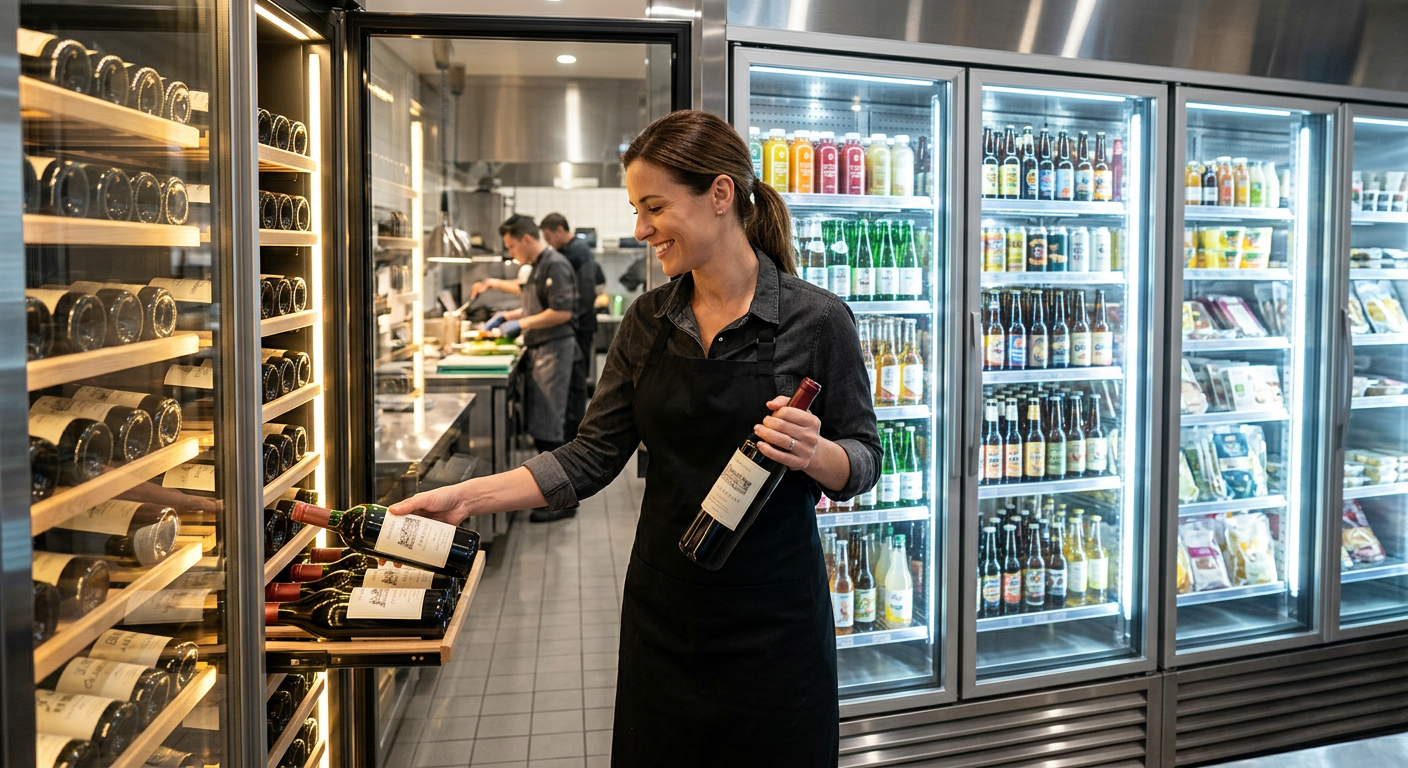
Lighting inside a commercial display cooler does far more than show off stock. It changes the internal temperature of the chilled cabinet. Switching to solid-state diodes cuts thermal loads and keeps refrigeration parts running smoothly all day.
Minimizing Heat Output in Cold Cabinets
Older display cases often rely on fluorescent tubes or hot incandescent bulbs. These legacy options waste substantial energy as radiant heat. Standard fluorescent lamps pump unwanted warmth straight into chilled product zones.
That extra heat forces your cooling system to work overtime. To keep food safe, the compressor cycles on and off much more frequently. This constant cycling wears out electrical relays, stresses the motor, and burns through costly power.
In contrast, light-emitting diodes release almost no infrared heat in their light beam. The minimal warmth they do produce bleeds away through rear heat sinks, safe from chilled food. Taking away that constant heat source lets your cooler hold steady temperatures with far less mechanical wear.
Meeting Energy Standards and Using Motion Dimming
Modern efficiency codes push store operators to lower their daily power use. Upgrading to energy efficient display chillers is one of the easiest ways to hit those goals. In fact, lighting makes up a surprising share of a display cooler's total electrical draw.
Smart setups simplify compliance by using automated dimming controls. Integrated motion sensors spot shoppers as they approach, instantly lighting up shelves for easy browsing. Once the aisle empties, the fixtures step down to a quiet, low-power mode.
That automated dimming cuts lighting bills during slow hours and overnight shifts. Dimmed fixtures shed even less heat, giving your compressor an easy break when doors stay closed. Relieving that thermal load also sets up a better display for your sales floor.
Merchandising and Sales Impact: Visual Appeal and High CRI
Illumination shapes how customers view your inventory. In retail food service, visual appeal drives quick buying decisions. Crisp, bright shelves make products look fresh and appetizing, while yellow or dim cases push shoppers away.
Highlighting Freshness with Optimal Color Rendering
The Color Rendering Index, or CRI, tracks how faithfully a light source reveals true colors. Natural sunlight scores a perfect 100 on this scale. Older fluorescent tubes sit around 60 or 70 CRI, casting a sickly green or yellow hue over food. That dull wash makes fresh produce look bruised and sandwiches look stale.
Modern commercial diodes often reach 85, 90, or higher on the CRI scale. These fixtures bring out deep, rich hues across your entire case. Soda cans show bold reds, and premade salads show crisp, appetizing greens. When food looks fresh and natural, shoppers buy with confidence.
Shelf Illumination and Eliminating Dark Spots
Older reach-in coolers usually rely on single overhead canopy bulbs. That top-down light casts long shadows across the lower shelves. Items tucked away in these dark zones often sit unsold until they pass their expiration dates.
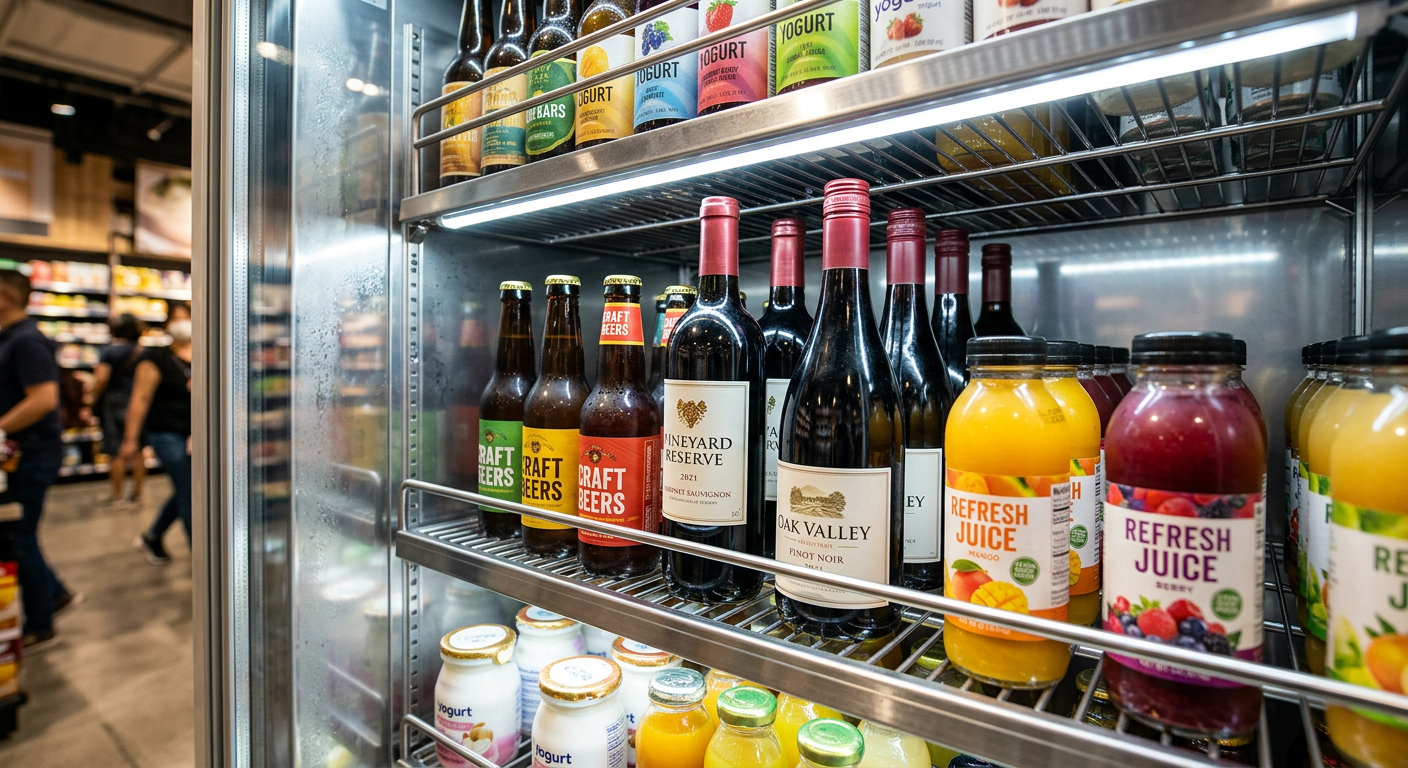
Modern fixtures fix this issue with slim, flexible form factors. Manufacturers run vertical light strips right down the door frames. Many also mount thin light bars under individual shelves to spread illumination across every level.
Every drink bottle and grab-and-go snack gets clean, direct light from top to bottom. Customers can read labels on the lowest rack without squatting down. Brightening these dead zones turns every square inch of your cooler into prime selling space.
Longevity and Maintenance Advantages in Chilled Spaces
Commercial display fridges present a brutal environment for old-school lamps. Fluorescents rely on heated gas to generate light. When cabinet temperatures drop near freezing, internal gas pressure crashes. Cold air makes traditional glass tubes buzz, flicker, and fail prematurely.
Solid-state lighting operates on completely different physics. Diodes generate light through cold semiconductors rather than pressurized gases or fragile filaments. Cold ambient air actually improves diode performance by drawing heat away from the internal circuit board.
Humidity poses another real hazard inside commercial reach-ins. Every open door invites warm room air that condenses against cold steel and glass. Old sockets have exposed contact pins that rust over time. In contrast, purpose-built retail light strips use sealed, water-resistant housings that keep moisture out.
Fewer failed lamps mean lower upkeep and fewer headaches for your staff. Changing dead tubes inside a working cooler slows down foot traffic and looks messy. Solid-state lights also shrug off heavy door slams and accidental stock bumps, keeping your cases bright with zero fuss.
Recommended Display Cooler Layouts for Store Owners
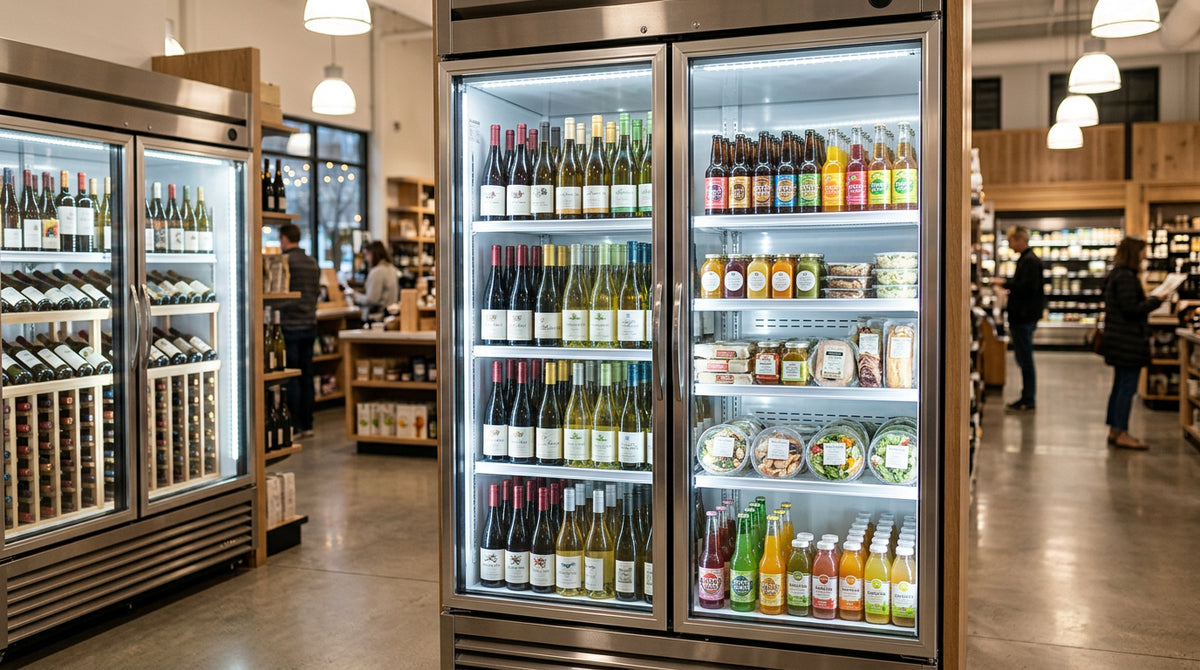
Picking the right glass-door cooler comes down to how light reaches your stock. Top-mounted lamps leave bottom shelves stranded in shadow. Upright display chillers with vertical door-frame strips wash every tier in clean, balanced light. Shoppers spot items easily, whether they sit at eye level or down near floor level when selecting the best commercial display fridge.
For high-traffic aisles, check out double-door glass merchandisers with center-frame lighting. These fixtures cast light inward across product rows without creating harsh glare in customer eyes. Store managers lean on these layouts to move canned sodas, cold brews, and packaged lunches.
When floor space is tight, slim single-door coolers deliver serious merchandising punch. Compact undercounter glass units with perimeter light strips tuck right under service registers. Pick models with adjustable cantilever brackets so you can shift shelf heights without cutting off light.
Open-front grab-and-go multidecks also gain huge value from full-height lighting packages. Low-heat light strips keep air curtains stable and cabinet temperatures steady across open display shelves. Setups like these let retailers capture the real-world benefits of LED lighting in display fridges throughout their sales floor.
Conclusion: Upgrading Your Commercial Display Strategy
Upgrading your retail shelves with modern fixtures delivers two immediate wins for your business. Lower wattage trims operating costs from day one. At the same time, bright product facings draw shoppers directly toward chilled drinks, fresh meals, and impulse snacks.
Modern display chillers protect your profit margins while creating a cleaner, more inviting store atmosphere. Take a walk through your floor today to spot flickering tubes or shadowy lower shelves. Moving to efficient commercial merchandisers gives your inventory the crisp spotlight it needs to sell.
Frequently Asked Questions
How does LED lighting help protect display fridge compressors?
LED lighting releases almost no infrared heat into the cabinet, bleeding minimal warmth away through rear heat sinks rather than into the product zone. Older fluorescent and incandescent lights radiate significant heat, forcing the compressor to cycle more frequently. Reduced heat load protects the motor and electrical relays from mechanical wear and lowers energy use.
Why does food look fresher under LED lighting in display fridges?
LEDs enhance food appeal because they offer high Color Rendering Index ratings of 85, 90, or higher. Older fluorescent tubes sit around 60 to 70 CRI and cast an unappealing green or yellow hue over items. High CRI lighting reveals deep, rich, natural colors, making premade salads look crisp and drinks look vibrant.
Do cold temperatures and humidity damage LED lights inside display coolers?
Cold temperatures actually improve LED performance by drawing heat away from internal circuit boards. In contrast, traditional fluorescent tubes rely on heated gas that loses pressure near freezing, causing them to buzz, flicker, and fail early. Commercial LED strips also use sealed, water-resistant housings that prevent moisture and condensation from rusting electrical contacts.
How do LEDs eliminate dark spots on lower display fridge shelves?
LED fixtures eliminate dark spots because their slim form factor allows flexible placement throughout the cabinet. Instead of relying solely on a top canopy bulb that casts shadows downward, coolers can use vertical strips along door frames and thin bars mounted under individual shelves. This setup evenly illuminates products from the top tier down to the lowest rack.
About This Article
Editorial Disclosure: This article was researched and written by our content team to provide helpful, accurate information about benefits of LED lighting in display fridges. We regularly review and update our content to reflect the latest industry developments and best practices.