
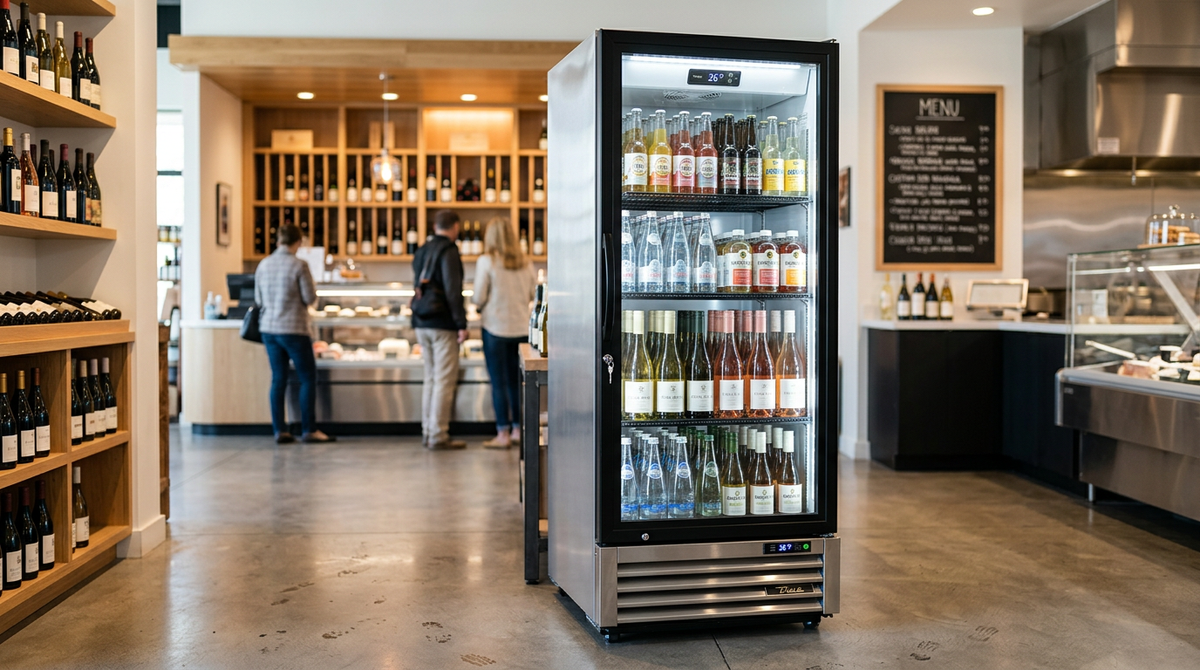
Introduction: Optimizing Retail Space with Single Door Merchandisers
Floor space matters in any busy cafe, deli, or grocery shop. Investing in a single glass door merchandiser chiller lets you display cold drinks without blocking foot traffic. In this guide, we break down real cooling specs, daily running costs, and shelf layouts. You will see how the right display cooler drives impulse sales and trims your electric bill.
Small shops always fight for usable square footage when buying new commercial fridges. A compact upright chiller gives you serious cooling power while taking up very little aisle room. Below, we look at the exact day-to-day advantages these reliable units bring to busy shop floors.
Key Operational Benefits of a Single Glass Door Merchandiser Chiller
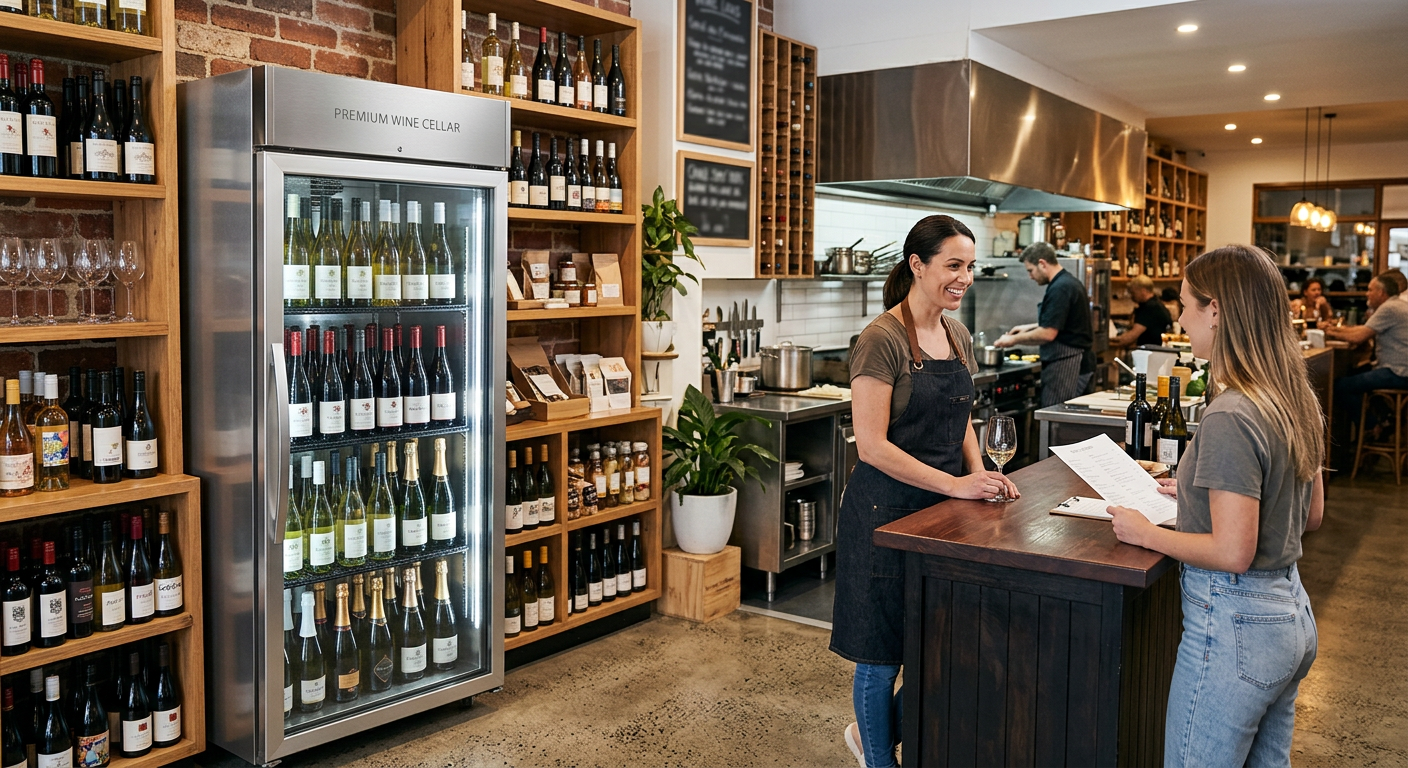
Usable floor space directly drives your revenue. A single glass door merchandiser chiller highlights drinks and sandwiches right where shoppers pause. Put one near your payment counter to trigger fast grab-and-go buys. Shoppers can check out your stock in seconds without cracking the door open.
These vertical merchandisers fit neatly into tight, awkward floor plans. Delis and coffee shops often slip them beside service counters or near queue rails. The slim footprint leaves plenty of room for customer baskets and normal foot traffic. Most store owners see cold drink sales jump almost immediately after installation.
Smart placement also makes daily restocking much faster for your staff. Clerks can easily refill cans from behind the counter between rush periods. That steady routine keeps your front drink rows full during the frantic lunch rush. Now, let us look at balancing interior storage with your available floor space.
Balancing Capacity and Footprint in Compact Retail Layouts
Finding the right unit means balancing floor area against actual storage. Standard commercial single-door display models offer between 16 and 25 cubic feet of internal volume. In practical terms, that gives you roughly 300 to 600 litres of chilled storage space.
A 16-cubic-foot cooler takes up roughly four square feet of floor space. It stands about six feet tall and holds roughly 200 standard 330ml soda cans. In contrast, a 25-cubic-foot model takes up just a few extra inches of width. Yet that slight size bump lets you pack in up to 350 cans or boxed lunch meals.
Measure your doorway widths and floor depth before ordering any model. Consider how often your staff can realistically restock shelves during a standard shift. Getting the physical dimensions right is only half the job, though. Understanding the right glass door chiller specifications for internal cooling parts and practical energy ratings is just as crucial.
Critical Specifications for a Single Glass Door Merchandiser Chiller
Selecting a single glass door merchandiser chiller requires looking past clean exterior paint. Modern commercial display units run on natural hydrocarbon refrigerants like R290 or R600a. These eco-friendly gases drop internal temperatures quickly and carry low global warming potential. They help your business stay compliant with tightening environmental regulations without sacrificing cooling speed.
Proper airflow clearance is essential for long-term cooling performance. Always leave at least 75 to 100 millimetres of open space behind and above the cabinet. Without steady airflow, the condenser coil traps heat and forces the compressor to work overtime. Strained components hike your electricity bills and cause costly mechanical breakdowns.
Ecodesign rules enforce clear energy testing benchmarks across the UK and Europe. In line with commercial energy ratings UK frameworks, every commercial fridge must display an official energy efficiency rating from A to G. Picking an efficient grade cuts your power bill and reduces extra heat dumped into your shop. Here is what those ratings mean for your operating budget.
Energy Efficiency and Projected Operating Costs
Daily power use directly bites into your monthly profit margin. A typical single glass door merchandiser chiller draws roughly 1.8 to 3.5 kilowatt-hours every day. Many energy efficient display chillers feature double-glazed or triple-glazed Low-E glass to keep the cold trapped inside. Many quality doors also use heated glass panes to prevent surface sweating during humid summer days.
A small drop in daily power draw adds up fast over five years. Trimming just 1.5 kilowatt-hours per day saves around £160 each year at current utility rates. Low-E glass reflects warm room air away, keeping internal temperatures rock steady. That means your compressor cycles less often, adding years to the motor's lifespan.
Modern digital controllers can also trim unnecessary power use when your shop is closed. Overnight eco-modes let the cabinet rest a degree or two warmer while keeping bottled stock safe. Beyond keeping energy bills low, smart display features directly determine how quickly products sell.
Merchandising Features That Drive Impulse Sales
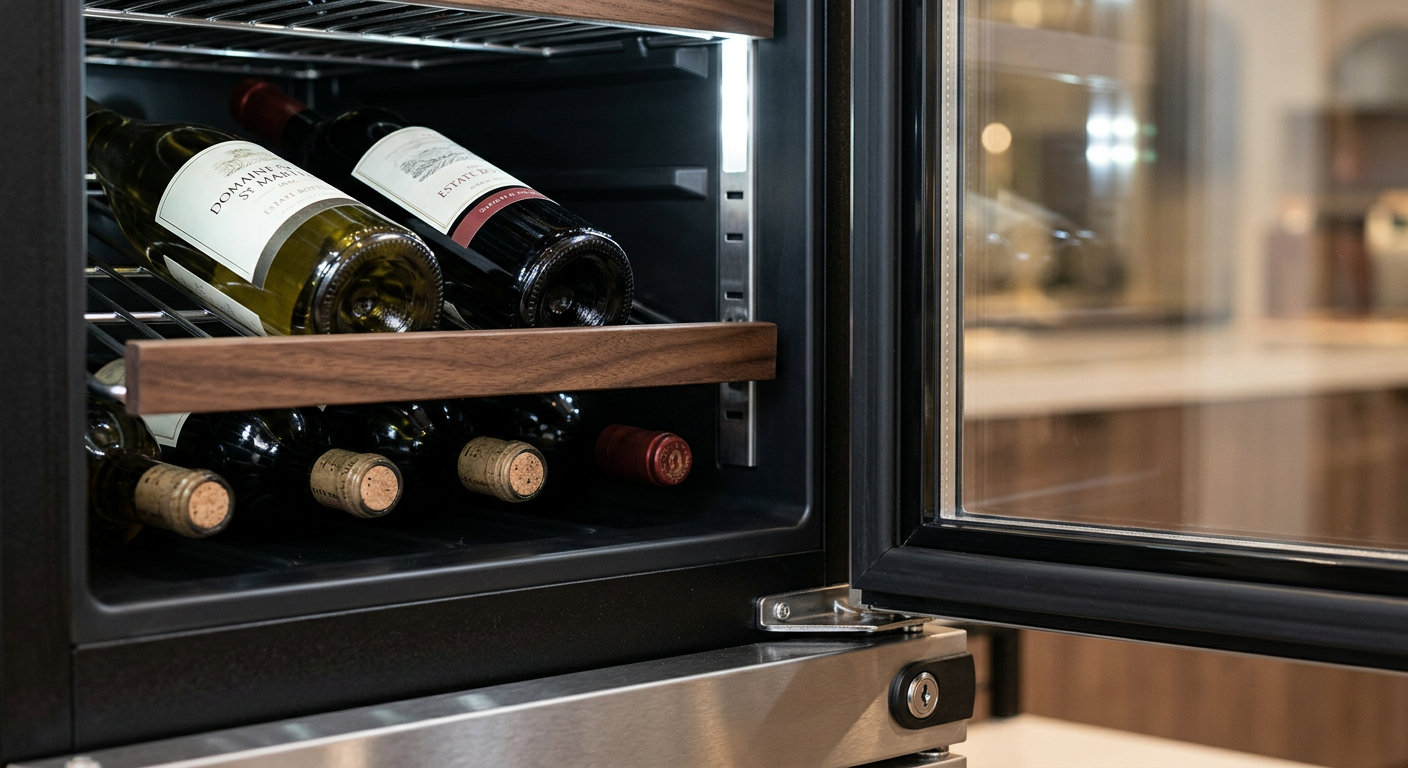
A single glass door merchandiser chiller lives or dies by its presentation. When shoppers see chilled items clearly, impulse purchases always rise. Full-length vertical LED strips mounted along the door frame make an enormous difference here. Unlike older top-mounted bulbs, side LEDs illuminate every single shelf without leaving bottom products in the shadows.
Clear sightlines are vital for fast impulse buying. Heated glass panes and anti-fog films solve cloudy door issues when store humidity spikes. These glass treatments stop condensation from gathering on the pane. Shoppers can scan sodas, juices, and snack salads clearly without constantly opening the door.
Eye-level branding pulls attention across a crowded shop floor. An illuminated top canopy gives your single glass door merchandiser chiller a sharp, professional look. You can use this backlit header to highlight meal deals, drink brands, or your own store logo. Bright signage naturally draws wandering eyes toward your highest-margin items.
- Vertical LED strips that brighten every shelf evenly
- Heated Low-E glass doors that stay clear in humid weather
- Backlit top display canopies for custom branding or meal promos
- Adjustable wire shelving to fit tall bottles and standard cans
Combined, these visual details turn a basic cooler into a dependable revenue engine. Crisp lighting builds quick customer trust in product freshness. Shoppers decide faster, grabbing cold drinks and snacks on a whim. Next, we will match specific cabinet styles to different shop setups.
Selecting the Right Unit for Your Retail Setup
Picking the right single glass door merchandiser chiller depends on foot traffic and floor space. For compact coffee shops and bakeries, a slimline 300-litre upright unit usually hits the sweet spot. These models use forced-air fans to hold reliable temperatures between 1°C and 4°C. An exterior digital display lets staff verify food safety temps in half a second.
High-traffic convenience stores generally need a heavy-duty 450 to 600-litre unit. Prioritise models with thick tempered safety glass and self-closing swing doors. Self-closing hinges stop cold air from pouring out when customers leave doors ajar. That protects your drink stock and prevents wasteful compressor cycling during midday rushes.
Always check manufacturer warranty terms before committing your hard-earned cash. Solid brands offer at least two years of parts and labour coverage on the compressor. Check that the unit holds an official Climate Class 4 rating. Class 4 equipment cools reliably even when summer shop temperatures hit 30°C.
Check shelf strength and adjustment spacing before you make your final choice. Strong PVC-coated wire shelves let you arrange rows for tall glass bottles or stacked cans. Sturdy support clips prevent annoying shelf sag under heavy drink loads. Lockable castor wheels are another big bonus, making cleaning behind the unit simple and painless.
Summary and Next Steps for Your Retail Setup
Buying a single glass door merchandiser chiller comes down to floor space, stock turnover, and daily power budgets. Double-check your delivery doorways and back-wall ventilation space before you order. Place your chiller well away from direct sunlight and hot panini grills. Cleaning the condenser coil and checking door gaskets every few months keeps your energy bill low.
Careful upfront planning protects your operating margins while showing off high-profit drinks. If you manage a busier store with higher footfall, learning when to buy a 3-door display chiller or open-front grab-and-go units may suit you better. Take a look at our full commercial refrigeration guide to explore larger floor layouts. Choosing the right unit today ensures your drinks stay cold and sell fast.
Frequently Asked Questions
How much stock can a single glass door merchandiser chiller hold?
A standard single-door unit provides between 16 and 25 cubic feet of internal storage, which equals roughly 300 to 600 litres. A compact 16-cubic-foot model occupies about four square feet of floor space and holds around 200 standard 330ml soda cans. A 25-cubic-foot unit requires only a few additional inches of width and can accommodate up to 350 cans or boxed lunch meals.
How much electricity does a single glass door merchandiser chiller use?
A typical single glass door merchandiser chiller consumes between 1.8 and 3.5 kilowatt-hours per day. Models with double-glazed or triple-glazed Low-E glass reflect warm room air away to keep the cold inside, allowing the compressor to cycle less often. Choosing an energy-efficient model that trims power consumption by 1.5 kilowatt-hours daily can save around £160 per year on electricity.
How much clearance space is required around a single glass door merchandiser chiller?
You must leave at least 75 to 100 millimetres of open clearance behind and above the cabinet. Adequate airflow ensures that the condenser coil does not trap heat. If proper ventilation is not maintained, the compressor is forced to work overtime, resulting in elevated electricity bills and potential mechanical breakdowns.
What does a Climate Class 4 rating mean for a display chiller?
A Climate Class 4 rating indicates that the chiller will operate and cool reliably even when ambient room temperatures reach 30°C. Choosing equipment with this rating helps ensure food safety and stable beverage temperatures during hot summer days in busy shop environments.
About This Article
Editorial Disclosure: This article was researched and written by our content team to provide helpful, accurate information about single glass door merchandiser chiller. We regularly review and update our content to reflect the latest industry developments and best practices.